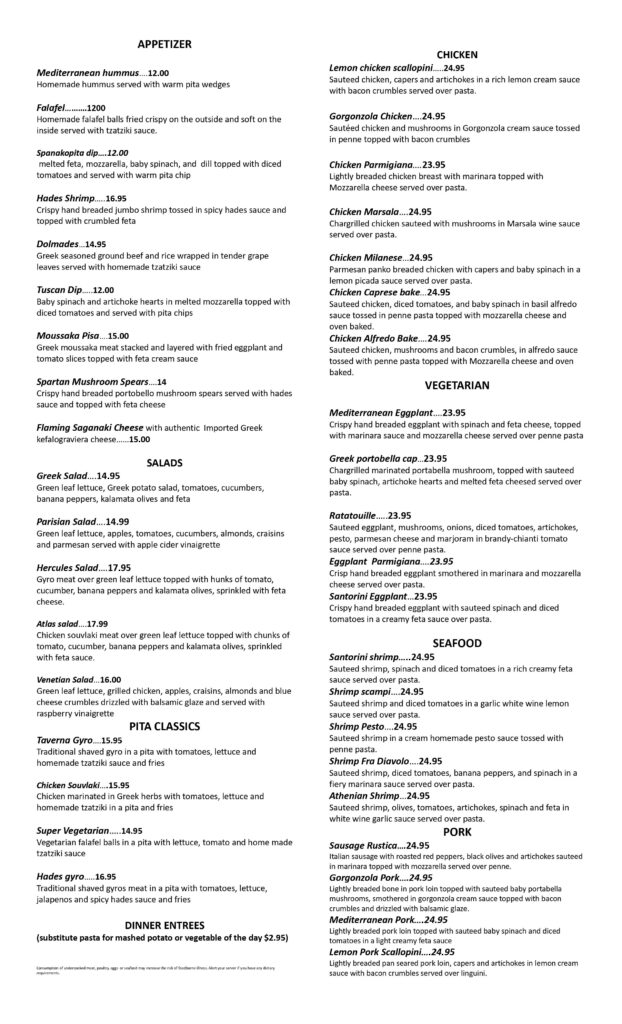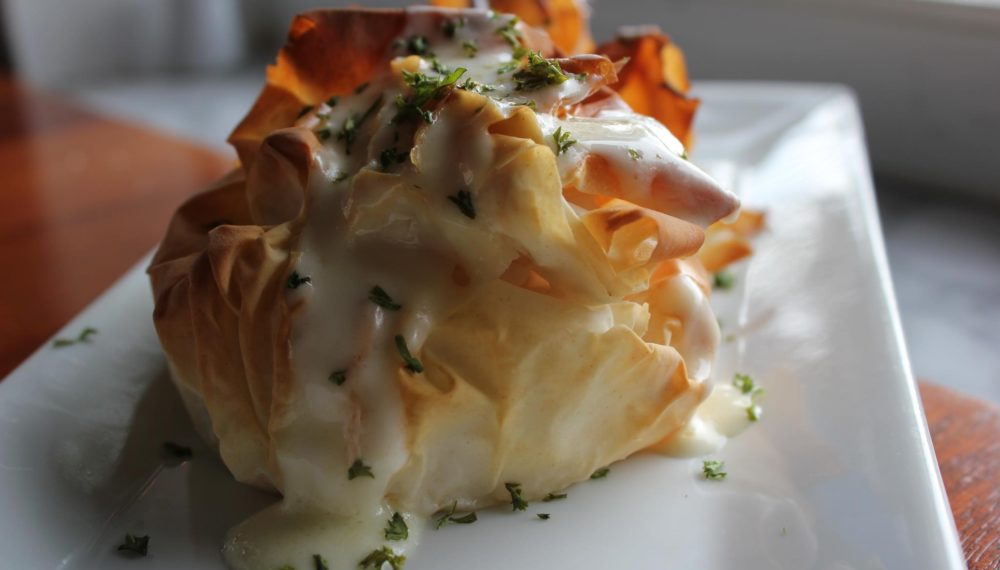
Sample Dishes Prepared in Cooking Classes

At Taverna Manos Learning Center, our cooking classes focus on real‑world meals built from affordable ingredients, multicultural flavors, and skills that feed people well in today’s food economy.
Below are examples of dishes we teach throughout the year. Actual menus vary — see the Master Class Calendar for current offerings.


Current Core Dishes

These dishes reflect our primary teaching focus: hearty mains, pulses, grains, and bread/starch foundations.

Hearty Mains

  • Kofta‑style skillet dishes (beef, lamb, or vegetarian)
  • Lentil & chickpea stews inspired by Mediterranean, Middle Eastern, and Indian traditions
  • Gyro‑style seasoned meats served with rice or flatbread
  • Asian‑influenced noodle or rice bowls with aromatics and pantry sauces

Bread & Starch Skills

  • Stovetop flatbreads
  • Warm pitas
  • Rice pilafs
  • Bulgur, barley, couscous, and other grain dishes
  • Lentils and beans cooked properly for flavor and nutrition

Flavor Foundations

  • Spice blends
  • Aromatics
  • Broth building
  • Pantry acids
  • Herb layering
  • One‑pot meals

Occasional Classics

These dishes appear when ingredients are affordable and reliable.

Zucchini Boats

A flexible, budget‑friendly favorite.
Vegetarian by default, with optional meat additions.
Teaches hollowing, stuffing, seasoning, and baking techniques.

Orzo Dishes

Used occasionally when pricing allows.
Examples include:

  • lemony broth‑cooked orzo
  • warm‑spiced orzo pilaf
  • orzo with chickpeas and herbs

Past Favorites (May Return Seasonally)

These dishes are part of our history and may appear when ingredients are reasonably priced.

Pastitsio (with substitutions as needed)

A beloved baked pasta with spiced meat sauce and creamy topping.
We may substitute noodles or cheeses depending on availability and cost.

Greek Lemon Chicken

Bright, comforting, and deeply flavorful.
Teaches marinating, roasting, and balancing acidity.

Chicken Tagine

A fragrant Moroccan‑style braise with warm spices and layered flavor.

Roasted Vegetables with Herbs

Prepared when produce quality is reliable.
Focuses on caramelization, seasoning, and Mediterranean flavor pairing.


Where We Shop: Local Markets We Trust

To keep classes affordable and flavorful, we source many ingredients from:

  • Asian markets
  • Indian grocery stores
  • Middle Eastern markets
  • Mediterranean specialty shops
  • Local bulk and discount stores

These markets offer better pricing on spices, pulses, grains, and pantry staples — and we encourage students to explore them as part of their cooking journey.


A Note About Ingredients

We adapt menus based on:

  • ingredient quality
  • seasonal availability
  • affordability
  • practicality

Our goal is always the same:
to teach real people how to cook real food in a real economy.

Pantry Staples We Use (and Recommend)

These are the ingredients that power our classes — affordable, reliable, multicultural staples that help real people cook real food in a real economy.
We use them in nearly every class, and they’re the backbone of Mediterranean, Middle Eastern, Asian, and Indian home cooking.


Pulses & Legumes

Shelf‑stable, nutrient‑dense, and budget‑friendly.
We use these constantly:

  • Red lentils
  • Brown lentils
  • Chickpeas
  • Black beans
  • Kidney beans
  • Split peas

Why we love them:
They’re cheap, fast‑cooking, and form the base of hearty mains across multiple cultures.


Grains & Starches

Reliable, filling, and endlessly adaptable:

  • Rice (basmati, jasmine, long‑grain)
  • Bulgur
  • Barley
  • Couscous
  • Orzo (used occasionally)
  • Semolina (for breads and pasta)
  • Flour (all‑purpose + bread flour)

Why we love them:
They stretch proteins, build comfort bowls, and make meals feel abundant without breaking the budget.


Spices & Seasonings

We sell many of these in‑house because quality matters:

  • Cumin
  • Coriander
  • Paprika
  • Turmeric
  • Cinnamon
  • Oregano
  • Thyme
  • Garlic powder
  • Onion powder
  • Chili blends
  • Curry blends
  • Mediterranean herb mixes

Why we love them:
Spices build flavor without relying on expensive produce or proteins.


Aromatics & Pantry Acids

Affordable ingredients that transform dishes:

  • Onions
  • Garlic
  • Ginger
  • Lemon juice
  • Vinegars (white, red wine, apple cider)
  • Tomato paste
  • Canned tomatoes

Why we love them:
They’re the foundation of flavor in nearly every cuisine we teach.


Oils & Fats

Used for sautéing, roasting, and building sauces:

  • Olive oil
  • Neutral oil (canola, vegetable)
  • Butter (when affordable)

Why we love them:
They’re versatile, reliable, and essential for texture and richness.


⭐ Where We Shop

To keep classes affordable and flavorful, we source many of our pantry staples from:

  • Asian markets
  • Indian grocery stores
  • Middle Eastern markets
  • Mediterranean specialty shops
  • Local bulk and discount stores

These markets offer better pricing and better quality on spices, pulses, grains, and pantry essentials.


⭐ Pantry Staples Available for Students – coming soon.

We will keep small quantities of high‑quality spices, pulses, and grains available for purchase at the school.
Sizes include:

  • ½‑lb bags
  • 1‑lb bags
  • Spice bags and bottle sizes

These are perfect for home cooking, class practice, and stocking a reliable pantry without overspending.


⭐ Why Pantry Staples Matter

Our classes are built around:

  • affordability
  • nutrition
  • multicultural flavors
  • survival‑smart cooking
  • real‑world ingredients

A well‑stocked pantry makes cooking easier, cheaper, and more joyful — especially in today’s food economy.


Message Copilot or @ mention a tab